Software architecture diagrams
from simple text.
Orrery is a diagram language for creating component and sequence diagrams. Write text, get SVGs.
See it in action
diagram sequence;

type Svc = Rectangle [fill_color="#e6f3ff"];

customer as "Customer": Oval;
shop as "Web Shop": Svc;
inventory: Svc;
payment: Svc;

customer -> shop: "Place order";
activate shop {
    shop -> inventory: "Check stock";
    alt "In stock" {
        inventory -> shop: "Reserved";
        shop -> payment: "Charge";
        payment -> shop: "Confirmed";
        note [on=[shop]]: "Send confirmation email";
        shop -> customer: "Order placed";
    } else "Sold out" {
        inventory -> shop: "Unavailable";
        shop -> customer: "Out of stock";
    };
};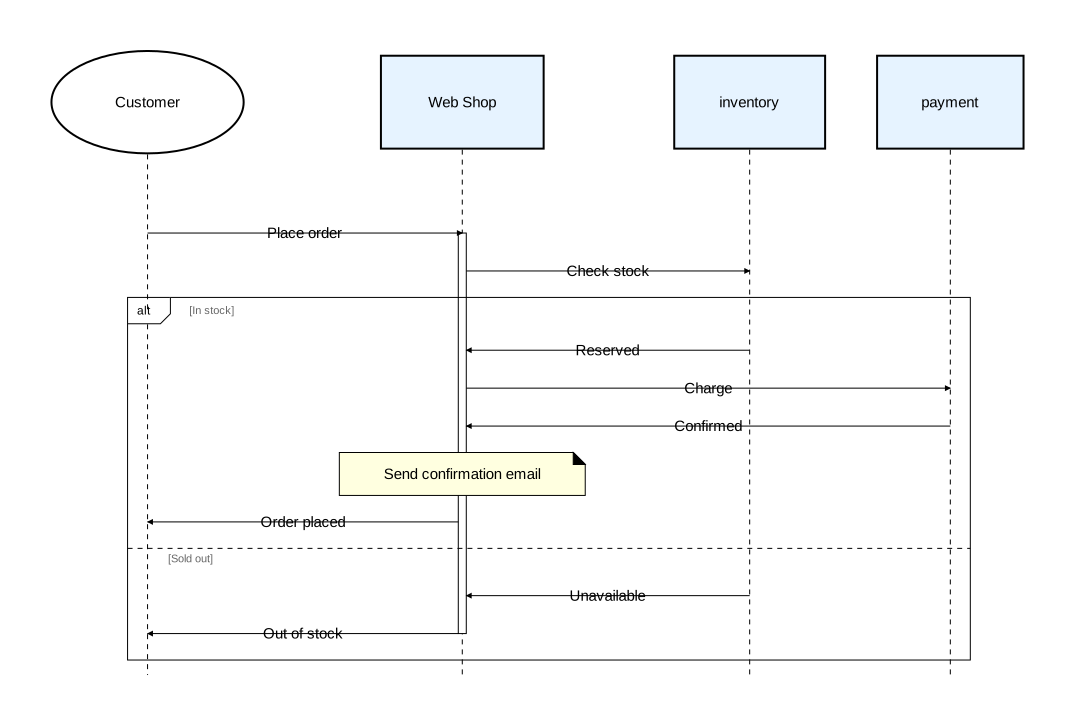
diagram component;

type Svc = Rectangle [fill_color="#e6f3ff", rounded=5];
type Store = Rectangle [fill_color="#e0f0e0", rounded=5];

user as "User": Actor;

frontend: Component [fill_color="#fff8f0"] {
    app as "Web App": Svc;
    admin as "Admin Panel": Svc;
};

backend: Component [fill_color="#f0f5ff"] {
    api as "API Server": Svc;
    auth as "Auth": Svc;
    api -> auth;
};

db as "PostgreSQL": Store;

user -> frontend;
frontend -> backend;
backend -> db;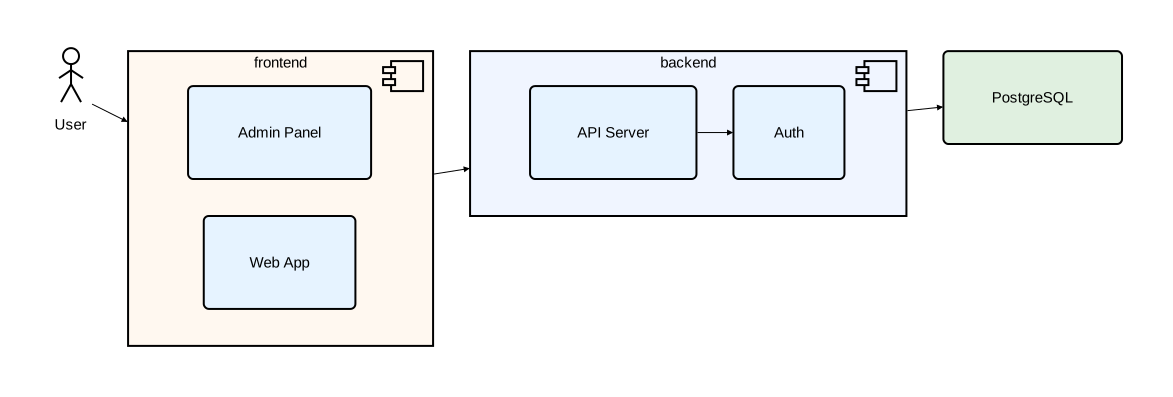
diagram component;

type Svc = Rectangle [fill_color="#e6f3ff", rounded=5];

processor as "Payment Processor": Svc
    embed diagram sequence {
    validator: Rectangle [fill_color="#fff3e0"];
    ledger: Rectangle [fill_color="#e0f0e0"];
    notifier: Rectangle [fill_color="#f0e6ff"];

    validator -> ledger: "Debit";
    critical "Transaction" {
        ledger -> notifier: "Record";
        notifier -> ledger: "Ack";
    };
    ledger -> validator: "Result";
};

merchant as "Merchant API": Svc;
bank as "Bank Ledger": Rectangle [fill_color="#e0f0e0"];

merchant -> processor: "Charge $42.00";
processor -> bank: "Settle";
bank -> [stroke=[style="dashed"]] merchant: "Confirmation";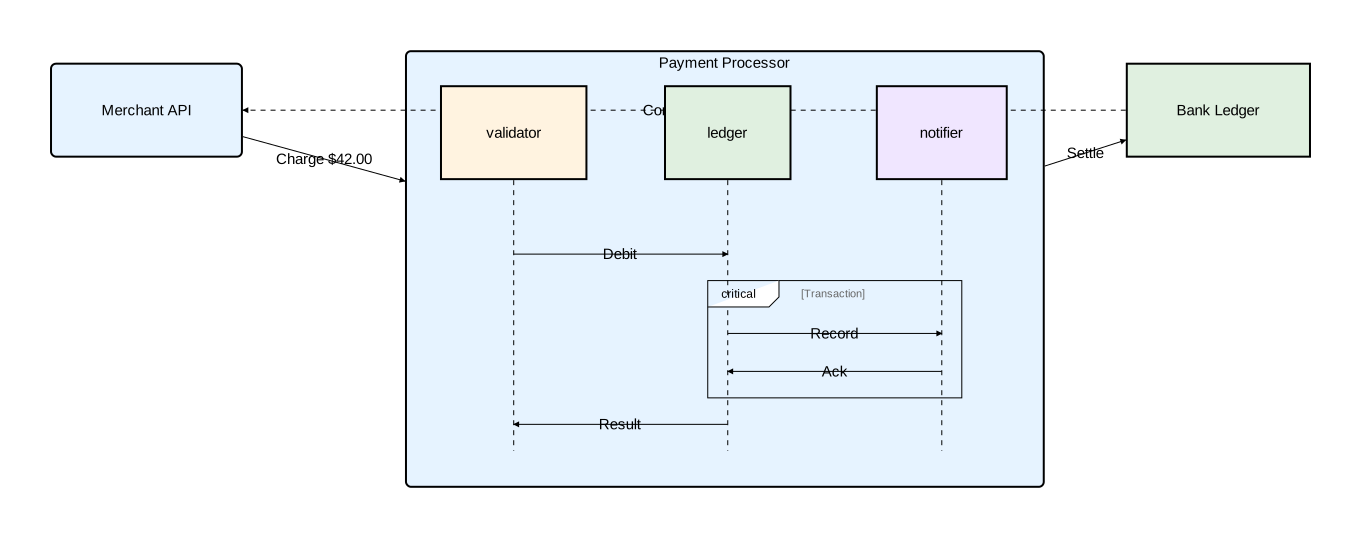
Why Orrery?
Feels like code
Orrery reads like the code you already write. The syntax feels natural, not foreign.
A real type system
Define types, extend them, override what you need. Your diagrams stay DRY just like your code.
Learn it once
Switching between diagram types doesn't mean relearning the syntax. The same knowledge transfers.
Zoom into any component
Embed a full diagram inside a component to show its internal behavior — without leaving the diagram.
The compiler has your back
Rust-inspired error messages tell you exactly what's wrong and where. No guessing, no cryptic errors.
Simple things are simple, complex things are possible
Start with the basics. When you need more control, it's there — no ceiling, no workarounds.